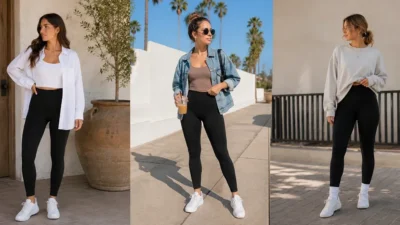

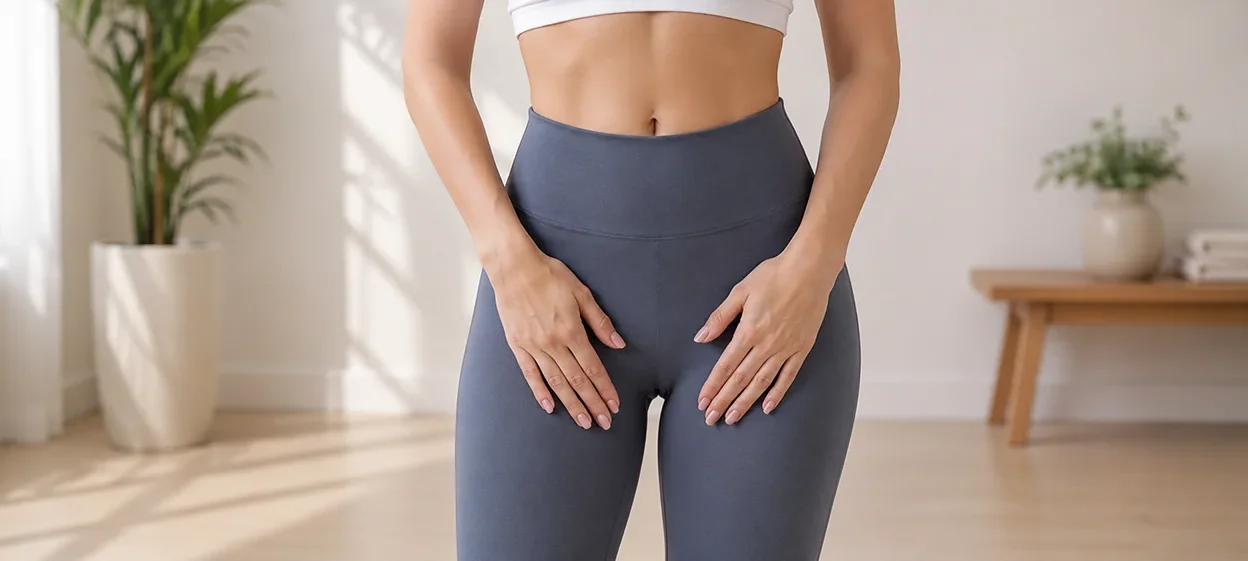
Camel toe is one of those annoying little things that can make wearing yoga pants less enjoyable, whether at the gym, doing errands, or just lounging around. Learning how to prevent camel toe in yoga pants is a common concern for women of all body types.Whether you’re shopping for yoga pants that prevent camel toe or simply looking for better-fitting leggings, understanding what causes the problem is the first step toward avoiding it.
The good news is that you don’t have to stop wearing your favorite yoga pants. Choosing the right fit, fabric, and design can make all the difference. In this guide, we’ll share practical, expert-backed tips to help you prevent camel toe with confidence.
Why Camel Toe Happens
Camel toe happens when the fabric of your leggings or yoga pants is pulled tightly into the natural contours of the body, creating a visible outline at the front. While many people assume it’s caused by wearing leggings that are too tight, that’s only one possible reason. In many cases, the issue has less to do with your body and more to do with how the leggings are designed, fitted, or made.
Several factors can contribute to the problem, including:
- A front center seam: Leggings with a prominent front seam are more likely to create pressure and pull the fabric inward.
- Poor sizing: Leggings that are too small can overstretch the fabric, while an incorrect fit may cause the material to shift during movement.
- Thin or overly stretchy fabric: Lightweight materials with limited structure may lose coverage when stretched.
- No gusseted crotch: A gusset is an extra fabric panel that helps distribute tension more evenly and improves comfort. Leggings without one are generally more prone to fabric bunching.
- Body movement: Exercises like squats, lunges, and yoga poses naturally stretch the fabric, making fit and construction even more important.
Now that you know what causes camel toe in yoga pants, let’s look at the most effective ways to prevent it in everyday wear and during workouts.
10 Ways to Prevent Camel Toe in Yoga Pants
1. Choose the Right Size
One of the most common causes of camel toe is wearing leggings that are too small. When the fabric is overstretched, it gets pulled into the body’s natural contours, making the front seam more noticeable. Always use the brand’s size chart instead of assuming your usual size, as sizing can vary significantly between manufacturers.
Quick Tip: If you're between sizes, read customer reviews to see whether the leggings run small or true to size before ordering.
2. Look for Leggings with a Gusseted Crotch
A gusset is an extra diamond- or triangle-shaped fabric panel sewn into the crotch area. It helps distribute tension more evenly, improves flexibility, and reduces fabric bunching at the front. Many premium activewear brands include a gusset because it enhances both comfort and durability.
Quick Tip: Check product photos or descriptions for terms like gusseted crotch or diamond gusset.
3. Avoid Leggings with a Front Center Seam
A front center seam is one of the biggest reasons camel toe occurs. As the fabric stretches during movement, the seam can create pressure and pull inward. Many newer activewear brands have introduced seamless front designs specifically to solve this problem.
Quick Tip: Search for leggings labeled "no front seam" if this is an issue you regularly experience.
4. Choose Quality, Medium-Weight Fabrics
Ultra-thin fabrics often stretch too much, making camel toe in yoga pants more visible. A quality nylon or polyester blend with elastane provides better structure while still allowing full freedom of movement. Well-made fabrics also recover their shape more effectively after workouts.
Quick Tip: Darker colors and medium-weight fabrics generally provide better coverage than very thin, lightweight materials.
5. Wear the Right Underwear
The wrong underwear can create extra pressure and visible lines underneath leggings. Seamless underwear made from smooth, stretchy fabric usually works best because it reduces friction and creates a cleaner silhouette without adding bulk.
Quick Tip: Avoid thick seams, lace edges, or cotton underwear that can bunch under fitted yoga pants. Some women also find that positioning a thin panty liner slightly higher than usual helps reduce visible fabric bunching.
6. Adjust Your Leggings Properly
Many women unintentionally pull their leggings too high when getting dressed, creating unnecessary tension across the front. Instead, position the waistband comfortably at your natural waist and smooth the fabric evenly over your hips and thighs.
Quick Tip: If you constantly need to readjust your leggings, the fit or rise may not be right for your body shape.
7. Choose Four-Way Stretch Fabrics
Four-way stretch materials move with your body in every direction instead of pulling tightly in one area. This helps reduce stress on the front seam while providing greater comfort during squats, lunges, yoga poses, and everyday movement.
Quick Tip: Look for leggings made with nylon and elastane blends that specifically mention four-way stretch.
8. Replace Worn-Out Leggings
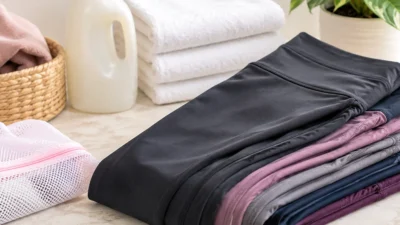
Even high-quality yoga pants lose elasticity over time. As the fabric stretches out and the fibers weaken, leggings become less supportive and more likely to bunch in unwanted areas. If your favorite pair no longer fits the way it once did, it may simply be time for a replacement.
Quick Tip: Leggings that become noticeably thinner or stay stretched after washing have likely reached the end of their lifespan.
9. Test New Leggings Before Wearing Them Out
Before heading to the gym, perform a quick fit check at home. Stand in front of a mirror, squat, lunge, and bend in natural lighting to see how the leggings behave during movement. It’s much easier to exchange a pair before removing tags than after wearing them.
Quick Tip: This simple five-minute test can save you from uncomfortable surprises during your workout.
10. Invest in Well-Designed Activewear
Not all yoga pants are made the same. Features like a gusseted crotch, flatlock seams, quality fabric blends, and thoughtful pattern construction all contribute to a better fit. While premium leggings often include these details, many affordable brands now offer them as well. if you want to look for new pairs of yoga pants check out our guide and recommendations on best yoga pants for women
Quick Tip: Focus on construction and customer reviews rather than price alone—good design matters more than an expensive logo.
The Bottom Line
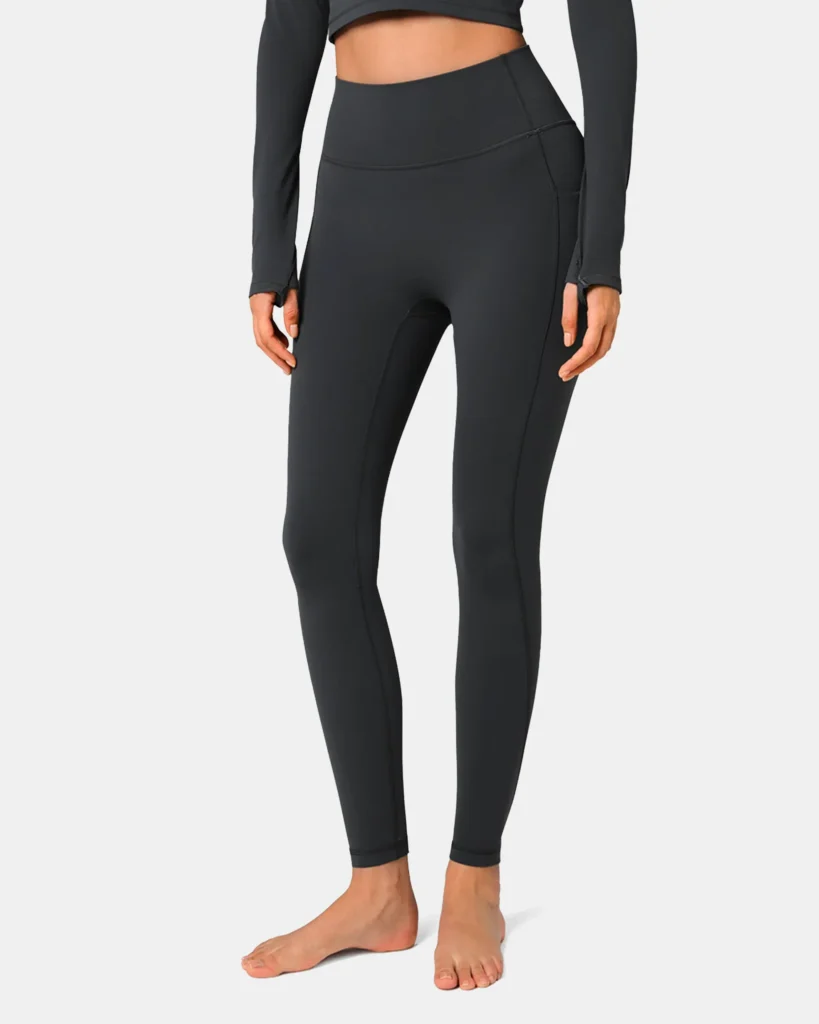
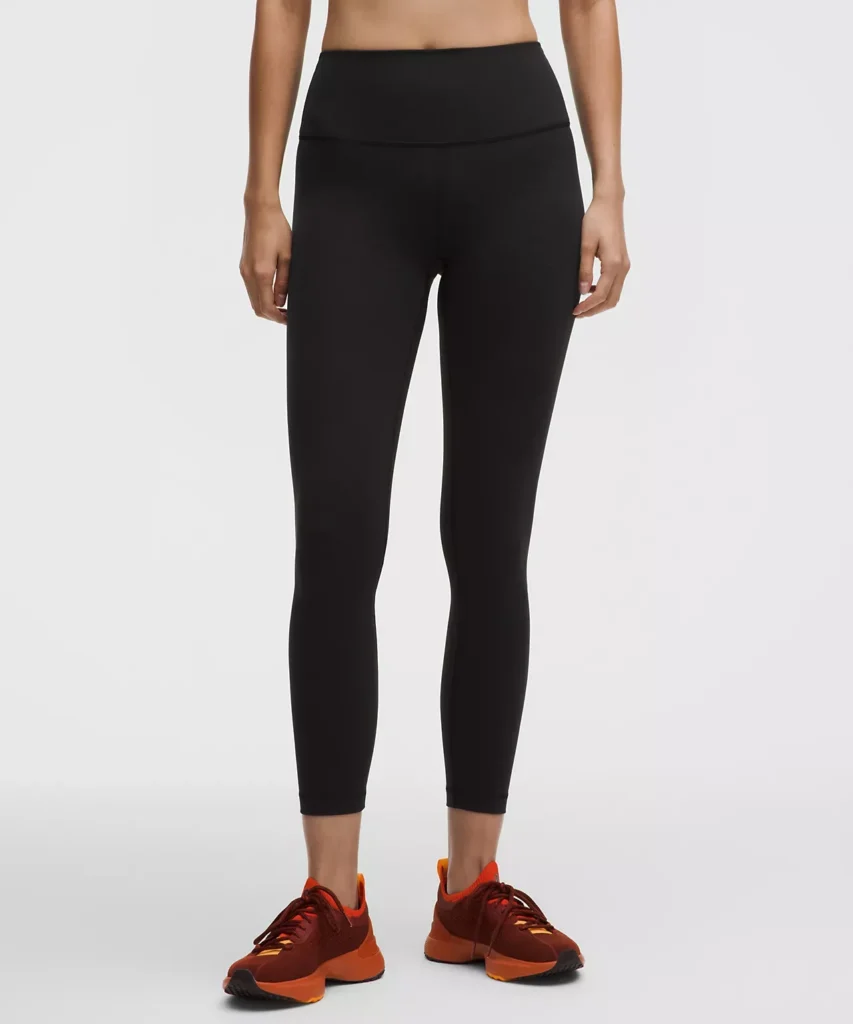
The biggest takeaway from real users is that garment design matters more than body shape. Features like a no-front-seam design, a gusseted crotch, quality fabric, and the correct fit consistently make the biggest difference. If you’re planning to buy a new pair, we’ve selected a few yoga pants that include many of these features and are frequently recommended for their comfort, coverage, and thoughtful construction.
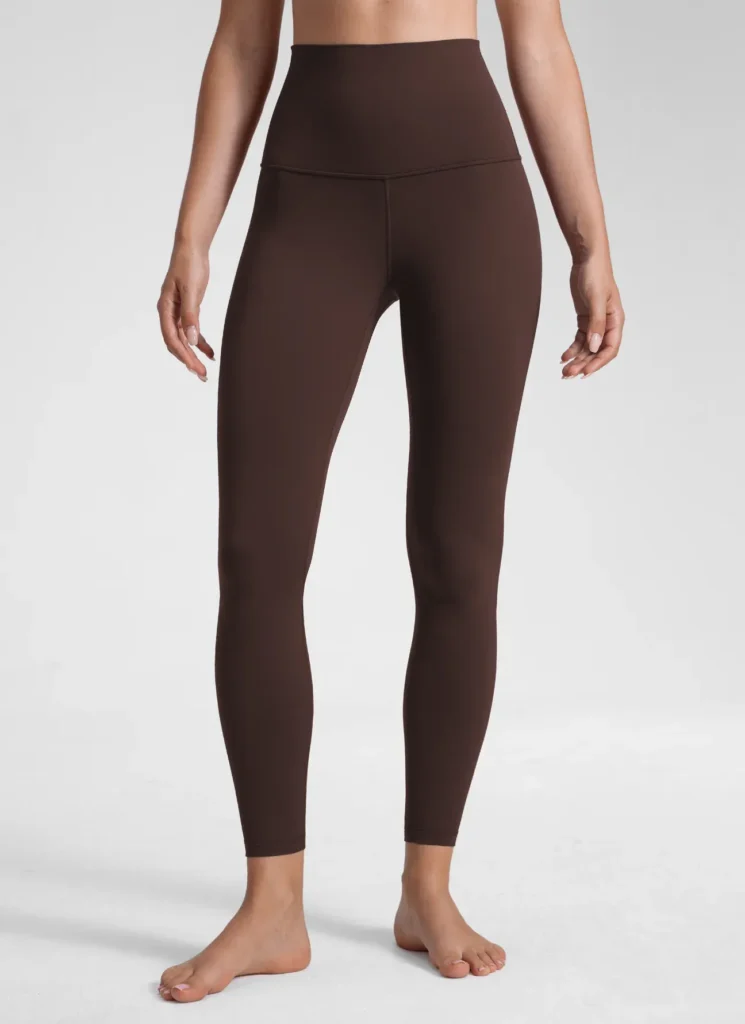
Budget Friendly
Colorfulkoala High Waisted Yoga Pants
FAQs
Can wearing underwear prevent camel toe?
Yes, wearing seamless or specially designed underwear can help create a smooth barrier between your skin and leggings, reducing friction and minimizing the appearance of camel toe.
Are there specific fabrics to avoid?
Thin, sheer, or overly stretchy fabrics are more likely to cling and cause camel toe. Choosing thicker, structured materials like a quality nylon-spandex blend is a much safer bet.
Does the color of leggings matter?
Absolutely! Darker colors and bold patterns help mask any minor outlines better than pale or pastel shades.
Do seamless leggings completely prevent camel toe?
Not always, but they can significantly reduce the chances. Many women find that leggings without a front center seam provide a smoother fit because there’s less fabric pulling at the front. However, choosing the correct size and fabric is still important.
Is it necessary to buy special leggings?
Not necessarily, but investing in leggings with features like a gusseted crotch, seamless front, and thicker fabric makes it much easier to avoid camel toe without needing extra layers or adjustments.
Why does my private part look weird in leggings?
It’s usually because the leggings are too tight, have a front seam pressing into sensitive areas, or are made from thin, clingy material. A poor fit can cause fabric to bunch or outline the area more than you’d like.
How to prevent camel-toeing in high-waisted pants?
Focus on picking high-waisted leggings that have a gusseted crotch and avoid tight front seams. Proper sizing and thicker, structured fabrics will also make a big difference in preventing camel toe, even in high-rise designs.